
Welcome to Motion Forword - Words of a Therapist! Number 38!
Motion Forword is about discussing the combined benefits of movement with a positive mental attitude. Using my personal/professional experiences, evidence-based research and some of your own experiences.
Bringing some hope, positivity, happiness and maybe usefulness to those, perhaps like yourself, that needs a pick me up.
Something about me… Body World Warsaw
In August, I got to enjoy the beautiful city of Warsaw in Poland. If you haven’t been, it really is worth a visit. Open, green and clean with historical landmarks (reconstructed and originals) and wonderful parks to enjoy a peaceful read in the sun.
Whilst I was there, I also visited Body World. An anatomists dream.
WARNING!
⚠️⚠️⚠️
WARNING! ⚠️⚠️⚠️
If you are at all squeamish about seeing cadavers and body parts without skin on them, scroll past these pictures!

Here is a beautiful picture of Skaryszewski Park in Warsaw. Just before we get to the more gory bit!
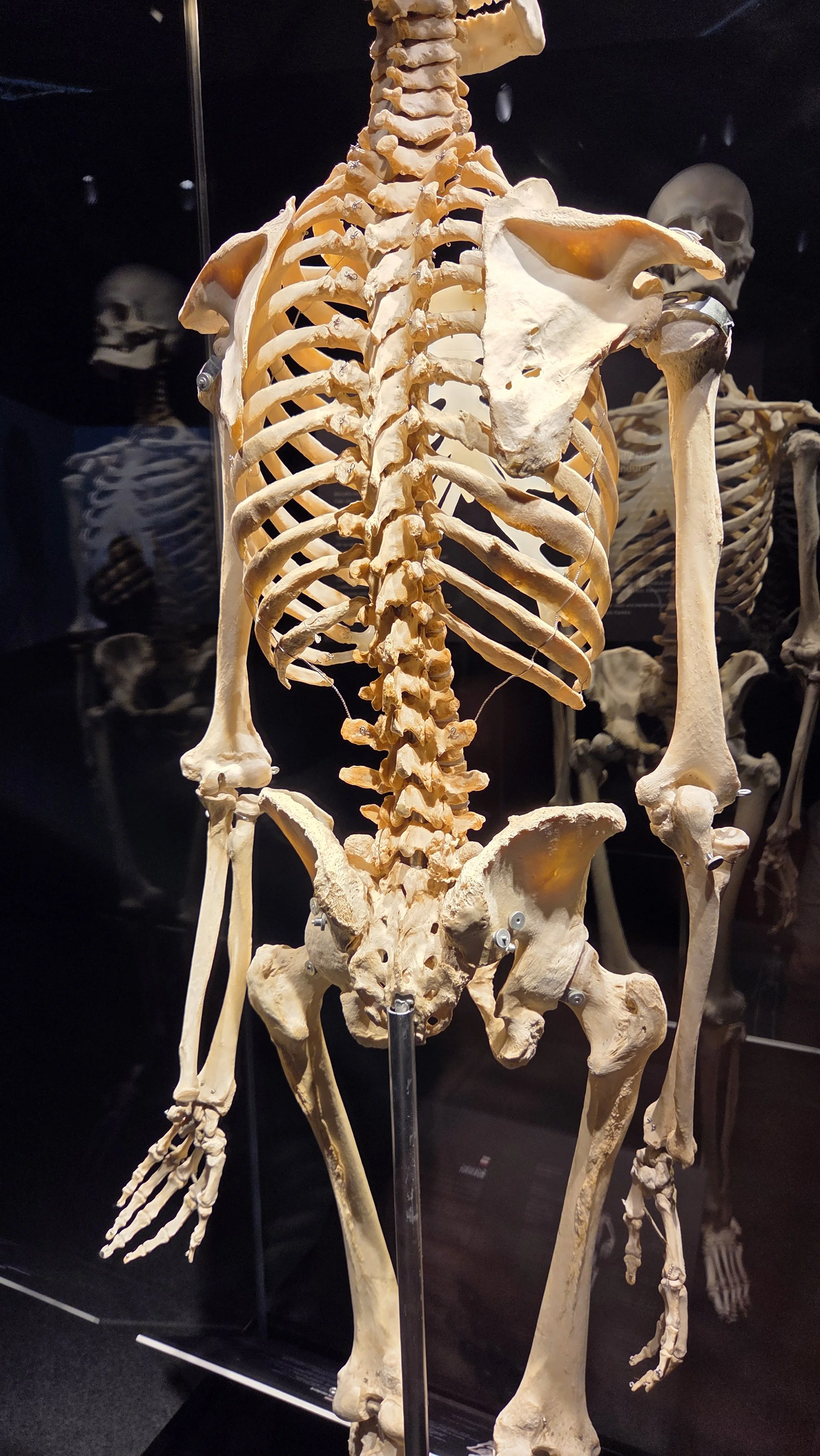
First Image: A human skeleton stripped of all the ligaments, muscles and connective tissue. Literally ‘bare bones’.
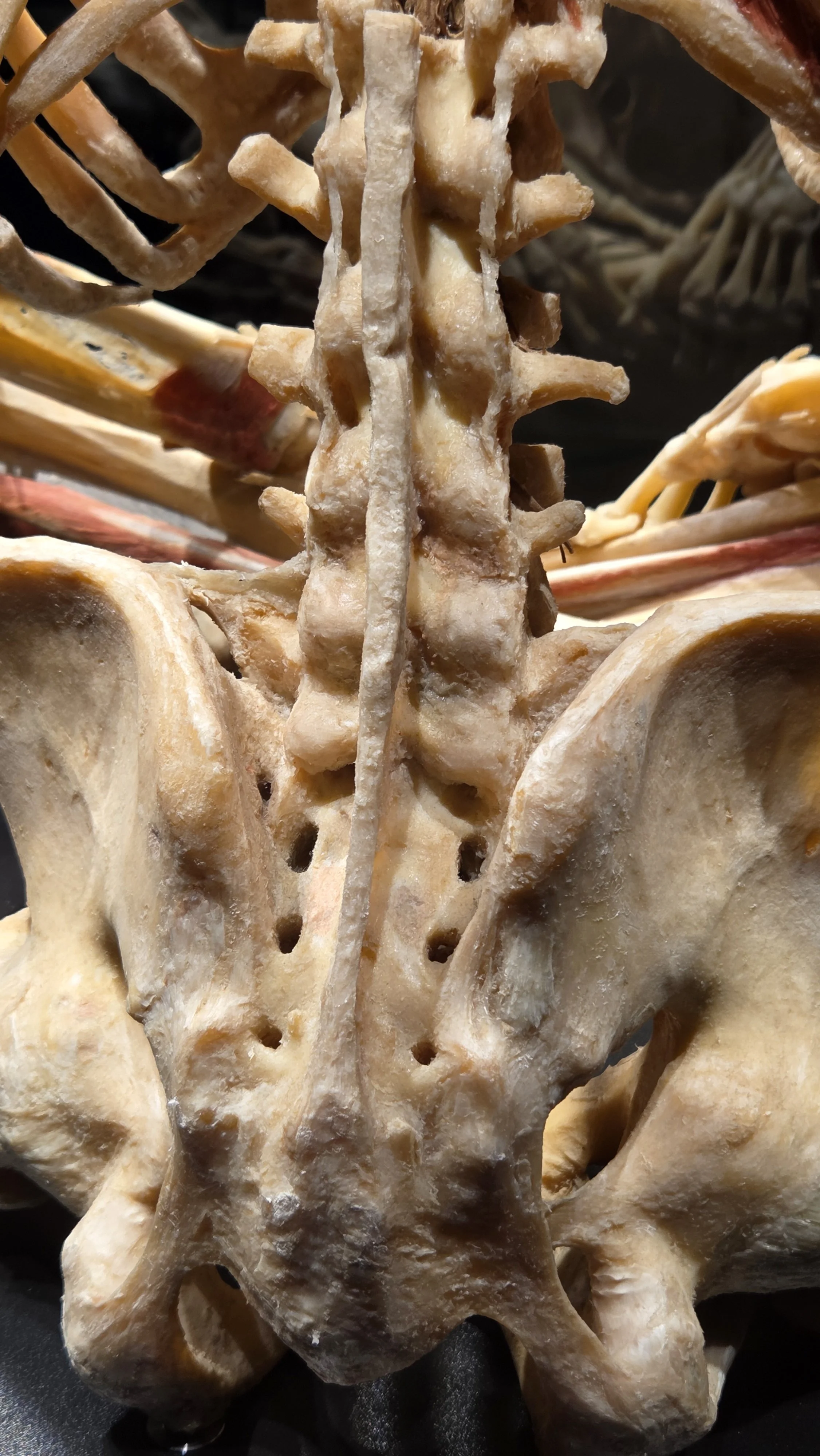
Second Image: Here is a close up of your lower back with the ligaments and connective tissue still intact enveloping the lumbar spine and sacroiliac (SI) joints. Strong stuff!
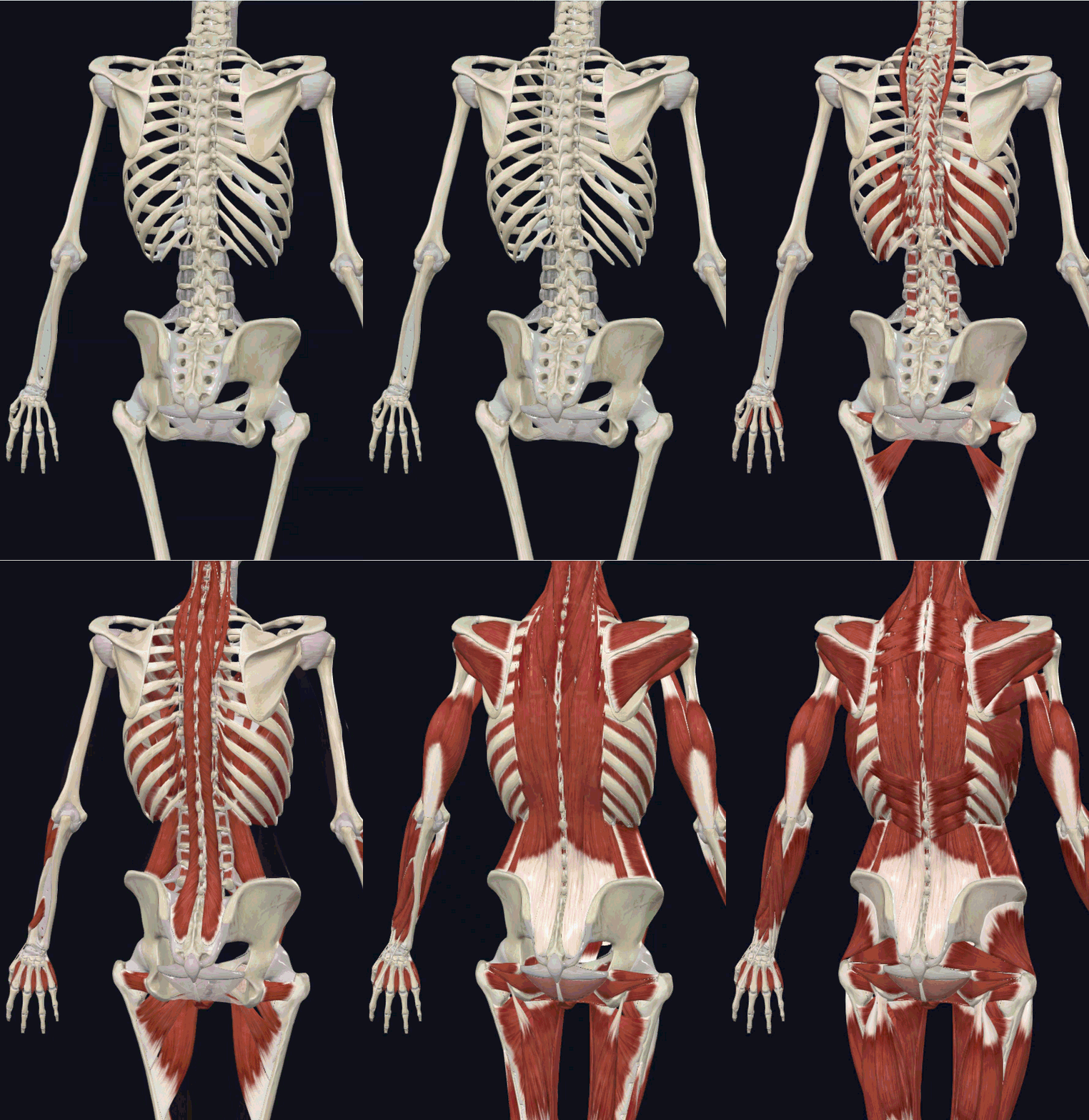
Third Image: This GIF (using my new anatomy app!) demonstrates the layers of muscle on top of all the joints you saw in the cadaver photos. So much muscle!
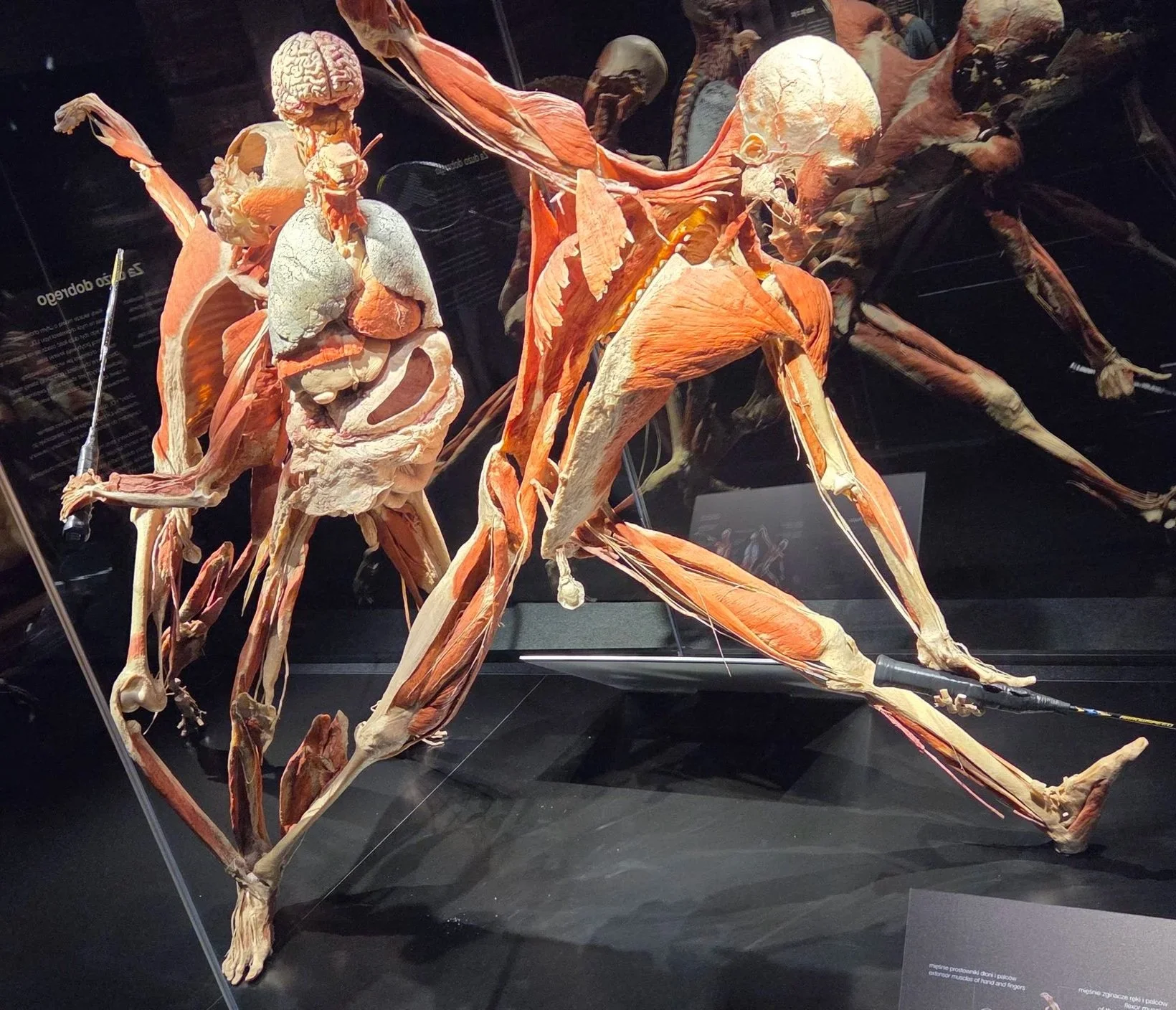
This is an incredible dissection. This is one cadaver playing badminton (you can see every thing still connected to their right foot).
The musculoskeletal system split in two with the internal organs and brain in the middle. This is made possible by the arduous plastination process allowing dissections to be held in complex positions like this seemlessly.
I have more photos but in the hopes to not to gross you out, I won’t share them here. But to me, it demonstrates the beautifully complex and interrelated nature of our bodies. And this is just the physical! Add on top of these ‘nuts and bolts’ are the psychological, spiritual and physiological parts of a human life. Things that are hard to demonstrate physically.
Think of…
How immune cells fight infection.
How mitochrondria (our power plants in our cells) create energy.
How red blood cells carry oxygen to our tissues.
How nerve cells connect, communicate and together create memories and consciousness.
How hormones control functions, mood and metabolism of our bodies.
All these functions are complex and completely under the radar. They are happening without our awareness of it.
It gave me time to reflect and remember the vastness and incredible-ness of our bodies.
We are more than the sum of our parts.
Something for you… The New Trend on the Block: Peptides
With our increasing knowledge about our bodies and how to look after them, more and more companies and so-called health jurus online are peddling the next big thing.
The most recent trend is about peptides which are helpful for anti-ageing, injury recovery, muscle growth, fat loss and skin rejuvination… so they say.
A lot of buzz words that most people would want.
The reason for this big boom online is the success of GLP-1 peptides like semaglutide (branded as Ozempic) and tirzepatide (branded as Mounjaro) for weight loss.
So naturally, the question became: what can other peptides do?
A trusted source of information is Doctor Mike who breaks down what the peptide trend is all about.
In his video, he discusses how peptides seem to have been fast tracked to be used as ‘compound ingredients’ at pharmacies, wellness clinics and spas. Their use had been approved by a panel where those in favour were from these types of companies (massive bias!) This loop hole is what companies are using the get the product on the market then pushing it on social media.
Justifying the need based on the popular demand they artificially created.
This is all happening in the USA but, as do many trends, it is starting to affect us here in the UK.
These peptides, are effectively chemicals that we don’t know the full effects of, have not been studied or scrutinised or regulated. AND YET! People are injecting them into themselves for these so called ‘benefits’ yet we don’t actually know if the benefits exist. Unlike the COVID vaccination that had been tested rigorously across the globe.
So if you didn’t like how the COVID vaccination was administered during the pandemic, then you should heavily question these massively unregulated and untested peptides.
So what evidence is out there for supplements besides peptides?
Actually, like many things, the evidence is often not so clear cut. Especially when it comes to nutritional supplementation (pills, capsules, powders etc).
Often, like in the example of Omega-3, there are studies that show its benefit in reducing something, like overall cardiovascular disease risk, but in other studies it makes no change. This could be due to a multitude of factors.
But to be able to say ‘X’ is good for ‘Y’ for every situation is just not realisitic.
So keep in mind when taking supplements:
Most healthy people with balanced diets should be getting their recommended daily allowance (RDA) from there food. Supplementation seems to be most beneficial in people with deficiencies or malabsorption disorders. The key is in the name, supplement.
Often supplements are not regulated to ensure quality (unlike standards in pharmaceuticals). The quality of the product seems to vary wildly dependent on where they are manufactured and their ingredients.
The form the supplement is in can effect its bioavailability (how well it is absorbed in the body) and therefore affect its therapeutic benefits. But which form is best seems to differ depending on the group tested on.
Here are what some papers tend to say about some commonly used supplements with their respective links to papers.
Vitamin D3
Studies have shown benefits for osteoporosis and cancer prevention, Multiple Sclerosis and autoimmune disease due to its influence on the immune system. But these benefits are only seen in those with depleted Vitamin D levels. Those with low exposure to sunlight are prime candidates for supplementation.
Omega-3
Long-term studies have found mixed results for Omega-3 and preventing cardiovascular events (heart attack, stroke). No consensus on their use here. You are better off getting your omega-3 oils from eating oily fish and some nuts and seeds (walnuts, hemp seed, flaxseed).
Magnesium
This randomised control trial (RCT) of 155 adults showed a modest improved in insomnia scores after 4 weeks on magnesium bisglycinate compared to placebo. However, this was self-reported by the participants and not objectively measured which reduces the study’s potency. In addition, although a statistically significant difference was noted, it may not translate to clinical changes (i.e. significantly improved symptoms).
A systematic review by this paper of magnesium supplementation on sleep showed a relationship in observational studies, however RCTs (a better form of evidence) demonstrated an uncertrain relationship between the two.
There have been a multitude of ways that Magnesium has been postulated to regulate sleep but it could be bidirectional. i.e. does poor sleep lead to reduced magnesium levels or visa versa or both. The complexity of Magnesium’s action may reflect how the benefit of supplementation for sleep is still elusive.
Creatine
This meta-analysis and systematic review demonstrated how creatine provides an additional source for energy production in skeletal muscles to allow for greater muscle strength in the general population. This was found to be particularly true in the ‘untrained’ population, with moderate-high intensity training (>75% 1RM) and even at lower-doses of creatine (<10g/day).
This implys there may be a ‘ceiling’ where further supplementation of creatine for muscle strength improvement no longer has any further benefit. Creatine alone doesn’t offer muscle gains without the required strength training.
Vitamin B12 (Cobalamin)
Vitamin B12 comes in multiple forms. Two in particular are methylcobalamin (natural) and cyanocobalamin (synthetic). In studies it would appear that methylcobalamin has higher bioavailabilty and is more readily stored than its synthetic counterpart by both improve B12 levels.
B12 is involved in multiple processes in the body including red blood cell production (erythropoiesis), myelination (adding insulation to your nerves), enzymatic function and production of DNA.
B12 (together with B9 (Folate)) deficiences can lead to anaemia (reduced red blood cell count). Supplementation (oral or intramuscular injections) of B12/B9 is effective at addressing such causes of anaemia as well as having neuroprotective properties.
B12 deficiency is most common in the elderly, vegetarian/vegan populations and those on PPIs (omeprazole, lanzoprazole) for reflux. Another complication of B12 deficiency is cognitive impairment. In the above populations, supplementation is considered critical to prevent cognitive decline.
This is not an exhaustive list and by no means is this medical advice. But it is to highlight that research takes a while to catch up with the trends.
Even with things like Omega-3, which I’ve always thought is beneficial, doesn’t have clear cut benefits. So when supplementing seems like a no brainer the science may not always agree. But that is science!
So coming back to Peptides.
This study looked at oral and topical peptides and even though they spoke favourably of the effects of peptides for skin rejuvination and reversing skin aging (particularly skin roughness and hydration), topical creams had ‘limited impact’. As well as non-significant improvement in skin elasticity and skin texture with overall clinical significance remained limited.
I quote:
The available data are insufficient to support definitive conclusions regarding their efficacy, particularly for oral formulations.
and this study had an impressive 19 RCTs which included 1,341 participants. They looked at a lot!
And this is just peptides on anti-aging/skin health… what about muscle growth and injury recovery? I imagine the evidence doesn’t stack up particularly well here either… this video might be a good start if you are wondering if they are worth it.
But perhaps I’ll leave that for another day…
A story…
I haven’t got a story to write about this month.
I feel like a lot of my time was taken up researching peptides and re-learning what I thought I knew about nutrition and supplements!
I’ll do better next month!
So instead, here are some pictures caught by a stranger of my niece and I playing around with some acro!


Thanks for reading.
Until next month…
Motion Forword ⏩⏩
Nathan